
What is Japan's Currency?
| Currency: | Japanese Yen |
| Currency code: | JPY |
| Central Bank: | Bank of Japan |
| Currency symbol: | ¥, 円 (yen) |
| Bank notes: | ¥1000, ¥2000, ¥5000, ¥10,000 |
| Coins: | ¥1, ¥5, ¥10, ¥50, ¥100, ¥500 |
No other currency in Asia is more heavily traded than the Japanese Yen and it’s the 3rd most traded currency in the world.
The first minted coins in Japan appeared in 708 but by the 19th century Japan was using Spanish Dollars. The Yen (or “round object”) has been used as the central form of currency since the 1870’s.
The most commonly used bills for Japanese Yen are the ¥1,000, ¥5,000 and ¥10,000 notes. The most commonly used coins are the ¥10, ¥50, ¥100, ¥500 but you will also sometimes receive ¥1 and ¥5 as change.
Plan ahead with currency bundles, eSIMs & travel insurance
Travelex Money Card is accepted everywhere Mastercard is accepted and at thousands of ATMs across Japan.
 Cash & travel card bundle Cash & travel card bundle |
|---|
| Japanese yen |
 CASH
CASH CARD
CARD| JPY travel card |
|---|
| Japanase yen |
 Travel insurance Travel insurance |
|---|
| Discover more with Cover-More travel insurance by your side. |
 Japan international eSIMs Japan international eSIMs |
|---|
| Choose from a range of eSIMs to suit your travel needs. |
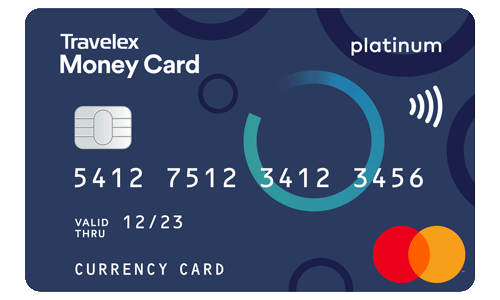
JPY Goes Further with the Travelex Money Card
- Our Travelex Money Card gives you better rates than cash
- Receive even better rates when exchanging $2,000 and over

What to spend your Yen on:
-
![*]()
Sushi meal for 2 people with sake
4000 Yen

-
![*]()
Entry to Tokyo Disney
7400 Yen
-
![*]()
Tourist t-shirt
3500 Yen
-
![*]()
Postcard and a stamp
212 Yen
-
![*]()
Samurai sword
30,000 Yen


 A budget
 nights
 Recalculate
Must-see in Japan

- Kyoto
- Travel back in time to Japan’s capital for over 1000 years that’s just a few hours from Tokyo by speed train.

- Naoshima
- This island in the Seto Inland Sea is full of amazing architecture, museums, contemporary art and beautiful nature.

- Ōkunoshima
- If you’re not feeling skittish then make a detour to “Rabbit Island” where there’s hundreds of feral rabbits running around.
Buy Japanese Yen Online
Order Japanese yen online, lock in the rate and collect at your local Travelex store or at the airport before you fly
Good to know - Japanese money tips
Monetary customs can change drastically from country to country. Keep these tips and cultural nuances in mind before going to Japan for a smoother time on your holiday.

- Japan is a cash-based society. This means some experiences will be cash only. Ensuring you have some cash yen may help you to avoid any tricky situations!
- Tipping is not generally accepted in Japan. In most instances, if you try leaving a tip you will have it returned! If you really do want to tip someone (like a tour guide), make sure you put the cash in an envelope before handing it over.
- Make sure you have enough cash on you if you are visiting Japan during a public holiday, as some ATMs do close. If they do remain open, handling charges may increase.
- In general, haggling or bargaining is not accepted in Japan. However, there may be some exceptions in markets or specialty stores. The most common form of haggling is asking for a discount if you offer to pay using cash.
Plan Your Japanese Adventure
Welcome to our Japan destination hub. From financial tips to unmissable sights, prepare for your trip with our comprehensive guides.
JPY Currency Services
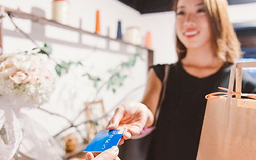
Travel Money Card
Purchase a JPY Travelex Money Card, buy online and in-store
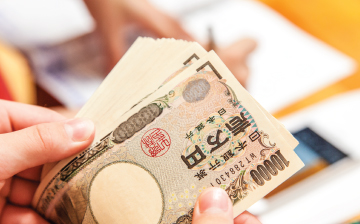
AUD to JPY exchange rates
Check out current and historical AUD to JPY Travelex rates.
JPY exchange rate tracker
Receive an alert when the Japanese Yen has reached your desired rate
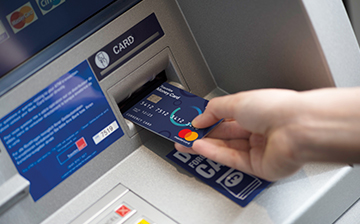
Withdraw JPY at ATMs
Get JPY from an ATM in Australia and when you arrive in Japan
Japan Travel Guides
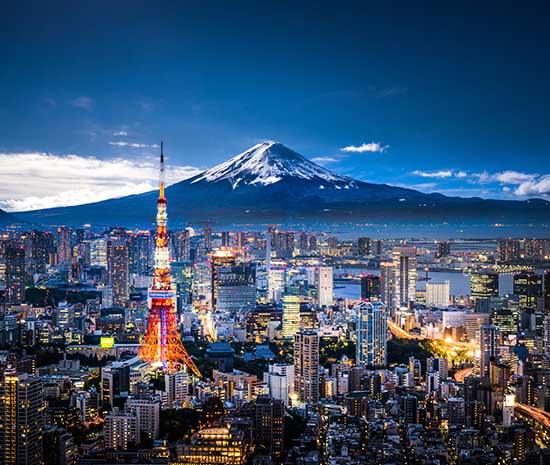
Best Places to Visit in Japan
From sightseeing to cities, plan your itinerary with our guide to Japan’s main attractions.
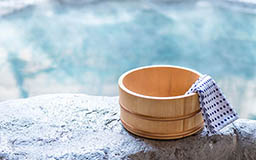
Japan Trip Costs
Plan how much a trip from Australia to Japan could cost with our breakdown.

Top Tips for Visiting Japan
Discover the best time to visit Japan, how to get around, etiquette and more.

Best Places to see Cherry Blossoms
Avoid crowds during cherry blossom season at these secluded locations.
Frequently Asked Questions
Back to top-
Can I use Travellers Cheques in Japan?
You generally cannot use travellers cheques in Japan, with the exceptions of some larger hotels.
-
Will my Apple Pay work in Japan?
Suica is the main contactless payment form in Japan. Apple supports using your Suica via Apple Pay - but you’ll have to set it up on your phone before you arrive in Japan.
-
Can I use Other Currencies in Japan like AUD or USD?
Not usually, which is why when travelling to Japan it’s best to ensure you have plenty of other payment options like the ones we’ve outlined above!
-
What ATMs can I use in Japan?
There are two types of ATMs in Japan: domestic and international. Customers should visit the International ATMs, found in Convenience Stores such as Seven Eleven, FamilyMart and Lawson. ATMs in banks are for domestic users only.
-
How do I buy Japanese yen in Australia?
You can buy Japanese yen online before you travel and collect it in-store, or load it onto a prepaid travel money card. Ordering ahead usually gives you better rates than exchanging at the airport. If you’re comparing options, check live AUD to JPY rates and lock in your currency when you’re ready.
-
What can you buy with 100 yen?
100 yen is roughly the price of small everyday items in Japan—think a bottle of water, a snack from a convenience store, or items from a ¥100 shop (similar to a dollar store). It’s a useful benchmark for quick purchases.
-
What does Japanese yen look like?
Japanese yen comes in coins (¥1, ¥5, ¥10, ¥50, ¥100, ¥500) and notes (¥1,000, ¥5,000, ¥10,000). Notes feature historical figures and are all different sizes, while coins vary in colour and size for easy identification.
-
How much Japanese yen should I bring to Japan?
Japan is still relatively cash-friendly. For a typical trip, budgeting ¥5,000–¥10,000 per day (~$50–$100 AUD) for food, transport, and small purchases is a good starting point, excluding accommodation.
Learn more about average Japan travel costs with our Japan Travel Money Guide.
-
Should I buy Japanese yen now?
Exchange rates move daily, so there’s no perfect “right time.” Many travellers choose to buy in advance to lock in a rate and avoid airport markups. You can also use our free Exchange Rate Tracker tool to receive an alert when the Japanese Yen reaches your desired rate.